
Year: 2026
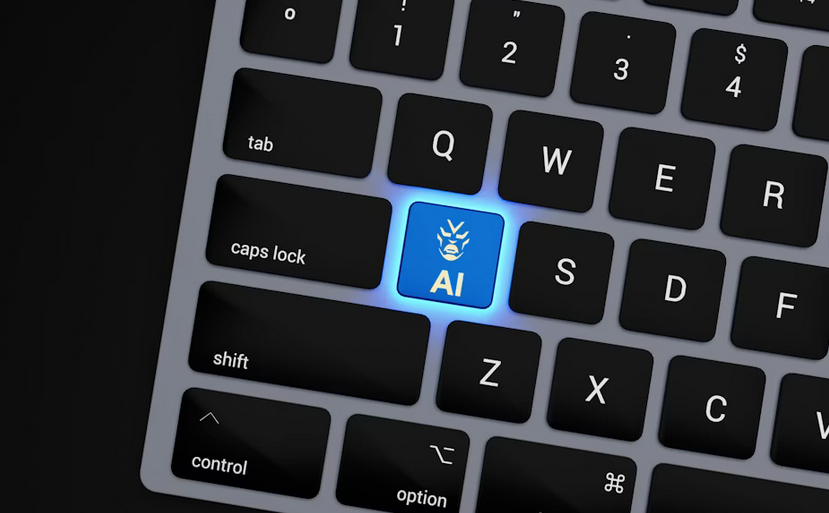
The Day AI Stops Waiting for Instructions
- by Noel Shaffer
- 2 months ago
- 0 comments
For years, we’ve thought of artificial intelligence as a remarkably fast assistant that springs into action only after someone asks for help. Whether it’s answering a question, creating an image, or organizing information, AI has mostly lived in a world of prompts and commands. But what happens when that changes? Imagine opening your laptop in the morning and finding that your AI has already organized your schedule, flagged important emails, drafted a report, and suggested solutions to problems you hadn’t even noticed yet. That shift from reactive to proactive AI could become one of the biggest changes in how we interact with technology, transforming AI from a digital tool into something that feels much more like an active collaborator.
From Reactive Assistant to Active Partner
Today’s AI is impressive, but it usually waits patiently for someone to tell it what to do. Every response begins with a prompt, and every task starts with a request. A future generation of AI may work differently by continuously monitoring authorized information, recognizing patterns, and deciding when it should offer assistance. Instead of waiting for instructions, it could identify opportunities to save time, reduce mistakes, or improve outcomes before a person even realizes help is needed. The relationship would feel less like operating software and more like working alongside a dependable teammate.
A More Personalized Daily Experience
One of the biggest benefits of proactive AI would be personalization. Over time, it could learn individual preferences, routines, and goals with permission from its users. Rather than providing generic suggestions, it might recommend healthier habits, remind someone about forgotten commitments, or prepare information based on upcoming meetings. Small conveniences could add up quickly, making everyday tasks smoother and reducing the number of repetitive decisions people make throughout the day. Instead of responding to requests one by one, AI could quietly prepare useful resources in advance.
New Possibilities in the Workplace

The workplace could experience some of the most noticeable changes. Instead of simply generating documents when requested, AI might identify stalled projects, recommend priorities, summarize ongoing discussions, and prepare presentations before deadlines become urgent. Managers could receive alerts about potential risks while employees spend more time focusing on creative thinking, collaboration, and decision-making. Rather than replacing human judgment, proactive AI would support it by handling routine monitoring and administrative work that often consumes valuable time.
The Importance of Trust and Control
As exciting as proactive AI sounds, it also raises important questions. If AI begins acting without direct instructions, people need confidence that it understands boundaries and respects privacy. Users should always have clear control over what information AI can access and what actions it is allowed to perform. Transparency becomes even more important when AI starts making recommendations or completing tasks automatically. Knowing why a suggestion was made and being able to approve, modify, or reject it helps maintain trust between people and intelligent systems.
Creativity Gets a New Companion
Creative work could also change dramatically. Writers, designers, musicians, and developers often spend time searching for inspiration before beginning a project. A proactive AI might recognize creative patterns, gather relevant references, suggest fresh ideas, or even prepare first drafts based on ongoing projects. Instead of replacing imagination, it could help overcome creative blocks and encourage experimentation. Human creativity would still guide the outcome, while AI becomes an ever-present source of inspiration and support.
The day AI stops waiting for instructions may not arrive all at once. Instead, it will likely happen gradually as technology becomes more capable, reliable, and aware of user preferences. Each improvement will make AI feel a little less like software and a little more like a helpful partner that anticipates needs instead of simply responding to them. Success, however, will depend on thoughtful design, strong privacy protections, and keeping people firmly in control. If those principles remain at the center of development, proactive AI could become one of the most valuable technological companions we’ve ever created, making everyday life more efficient while leaving humans free to focus on the things that matter most.…
Read More